

Tooth Extractions – Garland, TX
Remove Problematic Teeth to Alleviate Aches
Do you have a severely broken or decayed tooth causing persistent or prolonged pain or sensitivity? Although you can count on our North Garland Family Dental team to do all we can to protect and preserve your teeth, if your enamel is too damaged to be treated effectively, we might have no recourse but to recommend an extraction.
Our dentists can remove problematic teeth to alleviate aches and preserve your dental health. Continue reading to learn more about this procedure and when it might be necessary!

Why Choose North Garland Family Dental for Tooth Extractions?
- Multiple Options for Sedation
- Advanced Technology for Enhanced Accuracy
- Flexible Financing Available
Reasons Why Tooth Extractions are Necessary

Our team strives to help patients build and maintain happy, healthy smiles to help them avoid potential emergencies, but there’s no guarantee that you’ll never develop an issue. We prefer to take a more conservative approach whenever possible, but we might recommend this service for the following reasons:
- Remove a painfully damaged or decayed tooth that’s too injured to be treated with a filling, root canal, or dental crown.
- Make room for orthodontics to be successful.
- Ensure that a restoration, such as a set of dentures, fits correctly.
- Alleviate an impacted or infected wisdom tooth.
This service allows our team to keep disease and decay from spreading to neighboring teeth or negatively affecting your gum health or jawbone to safeguard your smile.
The Process of Removing a Tooth
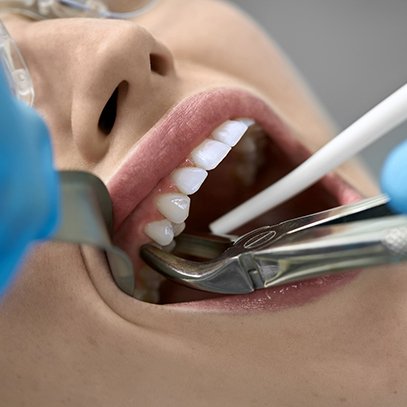
You’re not alone if you’re feeling nervous about your upcoming procedure, and understanding the step-by-step process might provide some much-needed peace of mind. It might vary slightly based on your unique circumstances, but typically, we begin by applying a local anesthetic to numb the area and/or providing sedation to help you feel calm and comfortable.
Then, we use a device known as an elevator to help lift your tooth from the socket so we can grasp it with forceps and wiggle it free. If you have an impacted wisdom tooth, you might require surgical extraction, which involves making a small incision to access it. Sometimes, it must then be broken into smaller pieces to be removed without harming your jawbone.
We can also discuss options for replacement teeth and recommend restoring your smile as soon as possible to avoid potential concerns, like dental drifting, that can harm your dental health.
Tooth Extraction Aftercare

After your procedure, your mouth must form a blood clot over the site to protect the recently exposed nerves and tissues to prevent a potentially painful complication known as dry socket. Following our post-operative instructions carefully can help protect it, allowing you to recover as quickly as possible while avoiding adverse effects. We typically ask patients to:
- Take any prescribed medications as directed.
- Rinse your mouth with salt water to naturally disinfect bacteria in the first 24 hours, then resume brushing and flossing when you feel ready.
- Don’t smoke cigarettes, vapes, or use tobacco products.
- Drink plenty of fluids from a glass, not a straw.
- Avoid strenuous physical activities that elevate your heart rate or blood pressure.
- Prop your head on pillows at night to prevent discomfort.
Understanding the Cost of Tooth Extractions

Even if you understand that tooth extraction is the best way to restore your comfort and preserve your oral health, it’s still perfectly reasonable to be interested in how much the procedure will cost. While we cannot provide you with a proper cost estimate before your consultation, this guide can help you understand what to expect when see you at our Garland office.
Factors That Can Affect Tooth Extraction Cost
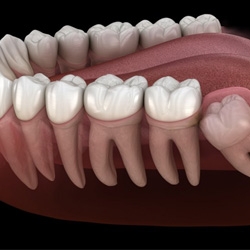
Several factors will make up most of the cost of your tooth extraction. These can include:
- The type of tooth being extracted: Larger teeth have more complicated anatomy and are more difficult to extract.
- The location of the tooth being extracted: Teeth located farther back in the mouth are harder to reach and, therefore, more costly to remove.
- The need for a specialist: In especially complex cases, it may be necessary to refer you to an outside specialist who uses a different pricing structure.
- Replacement: It’s best to replace a lost tooth as soon as possible to prevent a variety of oral health problems. We’ll be happy to discuss your restoration options when we see you at our office.
Does Dental Insurance Cover Tooth Extractions?

Dental insurance policies frequently cover tooth extractions as major restorative procedures at a rate of about 50%. However, we’ll have to verify the exact amount your policy will pay since every plan is different. Your coverage may also be subject to limitations such as a waiting period before benefits kick in, a deductible that must be met before the plan starts paying for treatment, or an annual maximum that designates the greatest amount of money your policy will pay in a year. We’ll be happy to help you understand your insurance plan and what it will pay for when we see you at our Garland office.
How to Make Tooth Extractions Affordable

The team at North Garland Family Dental understands that some people who need tooth extractions may have trouble fitting them into their budgets, and we’re eager to make sure everyone in our community can receive the oral care they need to stay healthy. We offer several options that can help make tooth extractions more affordable such as:
- Financing: We partner with CareCredit, a trusted third-party financier that can set a qualifying patient up with a flexible payment plan that can break their dental bill into easy monthly installments with little to no interest.
- Dental membership plan: For a low annual fee, you can have your routine oral care covered and receive significant discounts on many of our other services.
We’ll be happy to help you navigate your payment and financing options when we see you at our Garland office.
Tooth Extraction FAQs
Does Getting a Tooth Extracted Hurt?
Thanks to modern dentistry, tooth extractions in Garland are much more comfortable than you might expect. Before our team begins the procedure, we thoroughly numb the area with local anesthetic, so you shouldn’t feel any discomfort.
However, if you’re anxious or need more reassurance for pain prevention, we also offer nitrous oxide and oral conscious sedation. These options provide relaxation and peace of mind while you undergo necessary treatment.
After your visit, you may experience some soreness, but this is usually manageable with over-the-counter pain relievers. Following the aftercare instructions we provide will also help you enjoy a smooth, comfortable recovery.
What’s the Recovery for Tooth Extractions Like?
Everyone heals at a slightly different pace, but most patients can expect a few days of soreness and mild swelling after a tooth extraction. But don’t worry, there’s no guesswork involved. We’ll provide detailed instructions about eating, resting, oral care, and managing discomfort.
During your first couple of days, it’s important to avoid vigorous rinsing, drinking through a straw, or strenuous activity. These activities can disrupt the blood clot that forms to protect the socket and slow healing.
As long as you follow our directions and keep the area clean, your mouth should feel much better within a week or so. However, if your pain worsens or new symptoms appear, reach out to our Garland team quickly.
Can I Smoke or Vape After Getting a Tooth Extracted?
It’s very important not to smoke or vape after a tooth extraction. The suction and heat, along with the chemicals in smoke or vapor, can irritate the area and dislodge the blood clot that protects the socket.
This painful condition, called dry socket, can significantly delay your healing. Most dentists recommend avoiding all forms of smoking and vaping for at least 48 to 72 hours—ideally longer. Planning ahead with nicotine patches, lozenges, or other aids can make this short break much more manageable and comfortable for you. Many patients also use this time as an opportunity to quit!
What’s the Difference Between Tooth Extractions and Wisdom Tooth Surgery?
Both tooth extractions in Garland and wisdom tooth surgery involve removing teeth, but they’re not always the same procedure. A simple extraction is usually used when a tooth is visible above the gumline and can be gently loosened and lifted out.
Wisdom tooth removal is often more complex, often involving minor oral surgery. This is because these molars can be impacted, tilted, or trapped in your jawbone. After your initial consultation, we’ll go over your treatment plan so that you can be prepared no matter what.