

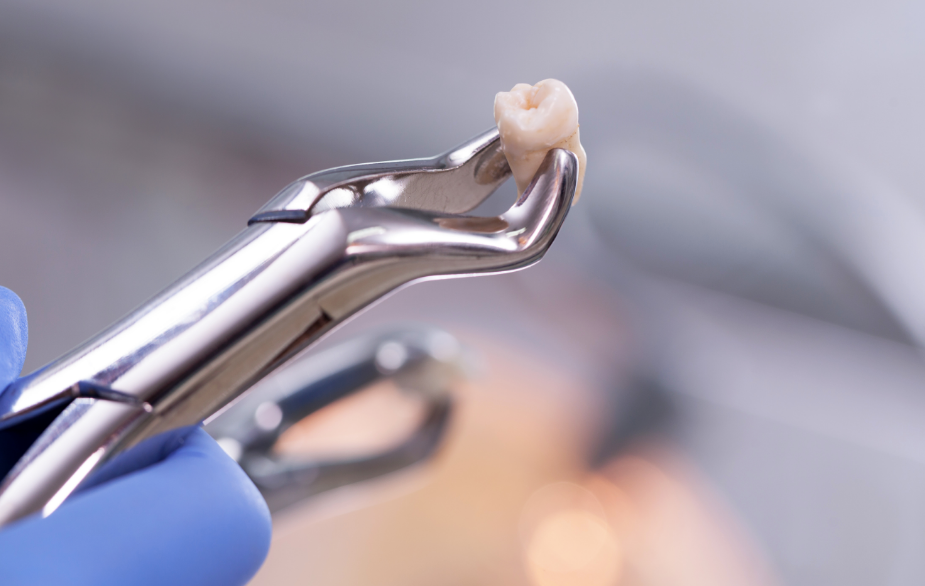
Hearing that you need a tooth extracted can feel alarming, but dentists don’t recommend extractions lightly. In most cases, removing a tooth is suggested only when keeping it would pose a greater risk to your oral health. Understanding the common reasons for tooth extraction can help you feel more confident about the recommendation and what it means for your smile.
Severe Tooth Decay
When tooth decay progresses too far, it can destroy a large portion of the tooth structure. If the damage is extensive and the tooth can no longer be restored with a filling or crown, extraction may be the safest option.
Deep decay can also allow bacteria to reach the inner pulp of the tooth, increasing the risk of infection and pain. Removing the tooth helps prevent the spread of infection to surrounding teeth and bone.
Advanced Gum Disease
Periodontal disease affects the tissues and bone that support your teeth. In advanced stages, gum disease can cause teeth to become loose due to bone loss. When a tooth no longer has adequate support, extraction may be necessary to protect the health of nearby teeth and gums.
Removing severely compromised teeth can also improve the effectiveness of future periodontal treatment and help stabilize your overall oral health.
Dental Infection or Abscess
A tooth infection occurs when bacteria enter the inner pulp, often causing swelling, pain, and sensitivity. While many infections can be treated with root canal therapy, some are too severe to save the tooth.
If the infection has spread or poses a risk to your health, extraction may be recommended. In these cases, prompt care is critical, and patients often seek emergency tooth extraction near me to relieve pain and prevent complications.
Impacted or Problematic Wisdom Teeth
Wisdom teeth are a common reason for tooth extraction. These third molars often don’t have enough space to emerge properly, leading to impaction, crowding, or repeated infections.
Even wisdom teeth that partially erupt can trap bacteria and food debris, increasing the risk of decay and gum problems. Removing them can help prevent future discomfort and damage to surrounding teeth.
Overcrowding or Orthodontic Needs
In some cases, tooth extraction is part of an orthodontic treatment plan. When there isn’t enough space in the mouth for teeth to align properly, removing one or more teeth can create room for a healthier, more functional bite.
This approach is carefully planned and intended to support long-term alignment and stability.
Trauma or Tooth Fracture
Accidents and injuries can cause teeth to crack or break below the gum line. If a tooth is fractured beyond repair, extraction may be the only viable option.
Removing a severely damaged tooth helps relieve pain and allows for future replacement options if needed.
Although losing a tooth may feel overwhelming, extraction is sometimes the best step toward restoring comfort and protecting your oral health.
About the Practice
Dr. Vazquez and Dr. Peterson at North Garland Family Dental provide comprehensive care for patients experiencing dental pain or emergencies. Our practice offers evaluation and treatment for conditions that may require tooth extraction, with a focus on patient comfort, safety, and long-term oral health. We take time to explain treatment options and ensure patients feel supported throughout the process.
Call us at (972) 530-7979 or request an appointment online.